How to pack for an overnight trip with a small backpack
· Editorial team phoenixnewsdaily24.com
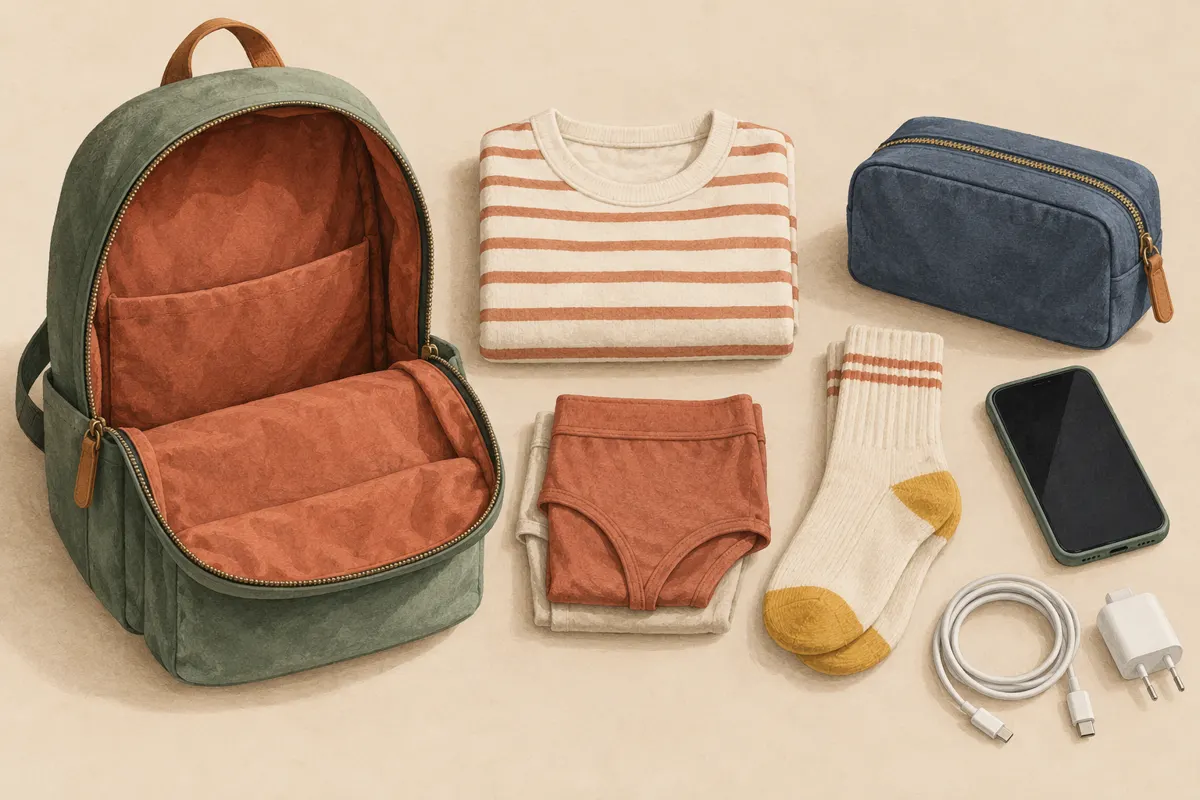
For an overnight trip, wear your main outfit and pack fresh underwear and socks, a change of top, sleepwear, essential toiletries, medications, and your phone charger. Add only what your actual plans and the weather require. The proposed sequence below helps you fit those basics into a small backpack while keeping items you need during the journey within reach.
Start with the trip, then make a short list
Before opening drawers, work through your plans from departure to returning home. A night at a friend’s house, a work trip, and an overnight stay with swimming each call for different extras. Check the weather and confirm what your accommodation provides, especially towels and toiletries. Pack around those answers.
- Set out the small backpack you intend to carry so its available space sets a clear limit.
- Write down your basics: clothing, toiletries, medications, phone, charger, payment method, keys, and any required travel documents.
- Add items for specific planned activities, such as a swimsuit or work equipment.
- Separate essentials from optional comforts before anything goes into the bag.
Build your clothing around what you wear
Choose your travel outfit first. For a casual overnight stay, one pair of pants can work with the top you wear outward and a fresh top for the next day. Pick pieces that work together so you do not need a second complete outfit just to match one item. Wear your bulkier layer if it suits the weather.
- One fresh top that works with your travel pants or skirt.
- One clean pair of underwear and socks for the next day.
- Compact sleepwear appropriate for where you are staying.
- A warm or weather-protective layer if conditions call for it.
- Activity clothing only when you have a definite plan to use it.
Choose shoes you can wear for both travel and your main activity. A second pair deserves space only when the first cannot do the job. Fold or roll clothes into compact bundles, and keep a small bag for separating worn underwear or damp items on the return journey.
Reduce toiletries to your overnight routine
Think through what you will use before bed and the following morning. Start with a toothbrush, toothpaste, deodorant, and the skincare or personal care products you actually need. Bring compact containers where practical, close them securely, and keep anything that could leak in a separate pouch.
Leave shampoo, conditioner, a towel, or a hair dryer behind only after confirming that suitable versions are available at your destination. Keep products you need for your own skin or hair routine. Pack your required medications and necessary supplies before optional grooming items; saving space should not mean leaving an essential behind.
Pack in the order you will need things
An accessible bag is more useful than one packed tightly enough to require unpacking at every stop. The proposed arrangement below keeps overnight items together and gives journey essentials their own place. Adjust it to your backpack’s pockets and shape.
- Place sleepwear and clothes needed only after arrival toward the bottom.
- Put denser items near your back, with soft clothing around them.
- Keep the toiletry pouch upright and easy to remove.
- Place your charger and any other necessary electronics together in an accessible pocket.
- Keep travel documents, keys, payment items, and essentials needed en route in a secure pocket you can reach easily.
- Put a layer you may need during the journey near the top.
Remove extras and check the packed bag
Before closing the backpack, ask what each optional item will do during this particular trip. Remove duplicate tops, spare shoes without a purpose, full-size toiletries, and entertainment devices you do not expect to use. Bring a laptop if your plans require it; otherwise, consider whether your phone covers your needs.
Zip the bag without forcing it, put it on, and adjust the straps. If it feels awkward, rearrange dense items or remove an optional extra. Finish by checking medications, documents, keys, payment items, and your charger against the list. Leave a little room so you can repack easily the next morning.