Create a household restock list that everyone can use
· Editorial team phoenixnewsdaily24.com
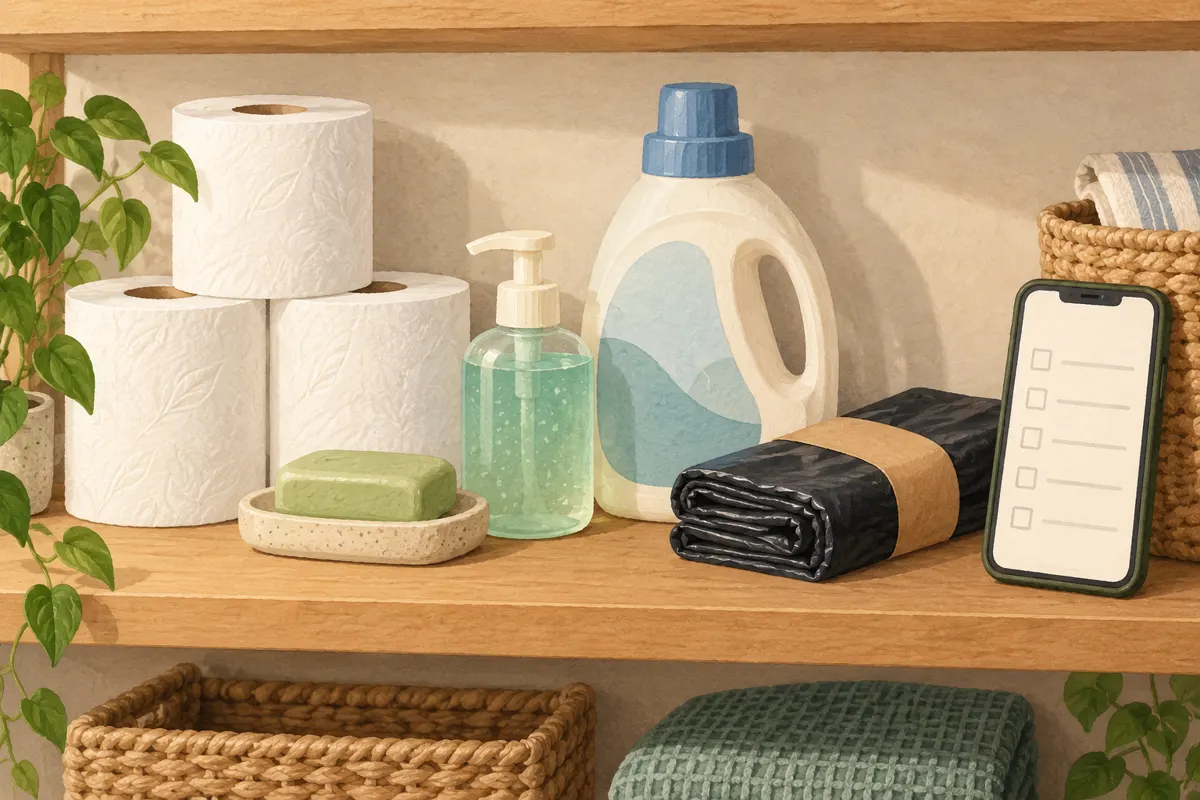
Create one shared household restock list, agree on when each essential needs replacing, and check your cupboards before shopping. Everyone should be able to add an item, see whether someone is buying it, and find the spare supplies. A useful list covers what your household actually shares, from toilet paper and dish soap to laundry detergent.
Choose one list everyone can reach
Our suggested starting point is a shared phone note or a paper list in a familiar spot. Choose whichever everyone will reliably check. If someone shops directly from a paper list, take a photo before leaving. Keep one main list so requests do not get scattered across texts, sticky notes, and separate shopping apps.
Give each entry enough detail to make the purchase clear: item, quantity to buy, any necessary size or product preference, and shopping status. For example: “Kitchen trash bags, one box, size shown on the current package, needed.” Add a backup storage location when it would help someone check stock.
Start with the supplies you actually share
Walk through the kitchen, bathrooms, laundry area, and supply cupboard. Include consumables that need regular replacement. A long checklist of products nobody uses creates extra checking work, so leave those out.
- Kitchen: dish soap, dishwasher detergent, trash bags, sponges, and any foil or food storage bags you use.
- Bathrooms: toilet paper, hand soap, tissues, and shared toiletries.
- Laundry: detergent and any stain remover or other laundry products used by the household.
- Cleaning: the cleaners, refills, and replacement supplies you routinely use.
Agree on which products are communal. Roommates might share hand soap but buy their own shampoo and detergent; families may share more toiletries. Record essential preferences, such as a particular detergent or trash bag size, so the shopper does not have to guess. Keep personal purchases separate unless everyone agrees otherwise.
Define a visible refill trigger
“Running low” means different things to different people. Choose a visible trigger for each frequently used supply. One open container plus one unopened spare is a possible starting proposal, adjusted to your storage space, household use, and time between shopping trips.
- Dish soap or detergent: add a replacement when you open the last spare.
- Toilet paper: agree on a remaining-roll count that leaves enough for the next shopping trip.
- Trash bags: add a box when you start the final roll or reach an agreed point in the package.
- Slow-use supplies: check foil, storage bags, and less-used cleaners during the cupboard check.
Write the trigger beside the item on your reference checklist. Adjust it if you keep running out or accumulating unopened packages. The aim is a manageable buffer, with quantities that fit your home.
Make adding and buying separate actions
Our proposed rule is simple: whoever reaches the refill trigger adds the item immediately. Adding it does not automatically make that person responsible for buying it. Before shopping, the shopper marks the entries they plan to buy as “buying.” This gives other household members a clear signal before they place another order.
After bringing purchases home, put them away and clear the completed entries. If an item was unavailable, leave it listed and remove its “buying” status. Agree separately on how shared purchases are paid for, whether through a household budget or an agreed split. Rotate checking or shopping duties if one person keeps doing all the work.
Check the cupboards before shopping
Keep backups in predictable places, with active supplies near where they are used. A central backup shelf can help, but several clearly identified locations can also work. Before each planned shopping trip, follow this short routine:
- Check the active supplies in the kitchen, bathrooms, and laundry area.
- Look in the backup locations before adding replacements.
- Remove duplicate requests and confirm quantities, sizes, and necessary preferences.
- Mark what you will buy, then update the list once everything is put away.
If supplies often run out between trips, add a regular weekly check. Keep the routine brief and revise the list when household habits change. Everyone should know where to look and what to do when they open the last spare.